
- Buffer blocks
- Callus removers
- Corn cutters
- Cuticle nippers
- Cuticle pusher (metal, wooden, plastic)
- Cuticle remover (gel/liquid)
- Finger separators (toe separators)
- Nail brushes (dusting brushes, cleaning brushes)
- Nail clippers (fingernail, toenail)
- Nail drill bits (ceramic, diamond, carbide)
- Nail drill machines
- Nail files (emery board, glass, ceramic, metal)
- Nail scissors
- Nail scrapers
- Nail shapers

Boost Your Nail Business in Kenya with the Right UV/LED Nail Lamp: Tips Every Salon Owner Must Know
Kenya’s nail and beauty industry is booming, with gel manicures, builder gel, BIAB, and acrylic services becoming a must-have in salons and home nail studios across Nairobi, Mombasa, Kisumu, Nakuru, and beyond. At the heart of every long-lasting gel set is one essential tool: a UV/LED nail lamp. Choosing the right nail lamp for your salon or nail business in Kenya is critical for proper gel curing, faster service, and client satisfaction. With the Kenyan market offering a wide range of nail lamps — from budget UV lamps to professional LED and hybrid curing lamps — many nail technicians struggle to know which option delivers real value. In this guide, we’ll walk you through how to choose the best UV/LED nail lamp for your business in Kenya, focusing on power, compatibility, durability, and salon-level performance to help you make a smart, profitable investment.
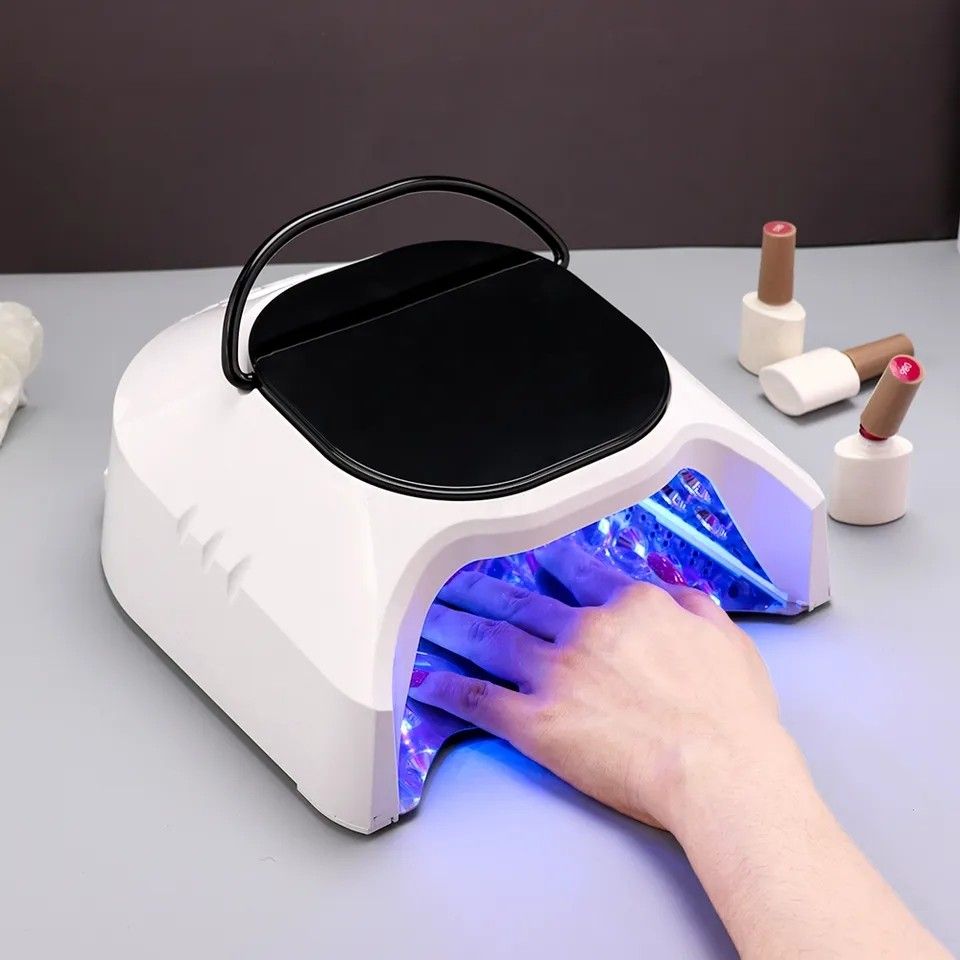
Image Source: https://www.pinterest.com/pin/1059260774841761381/
Choose the Right Technology: UV, LED, or Hybrid (What Works Best for Your Salon)
When selecting the best nail lamp for your Kenyan salon or nail business, understanding the differences between UV, LED, and hybrid UV/LED technology is essential — because the type of light determines how quickly and effectively your gel polish cures and how compatible the lamp is with different products.
💡 UV Lamps are the traditional curing lights used in nail salons. They emit a broad spectrum of ultraviolet light that works with virtually all gel polishes, including older formulas and thicker products like builder gels. However, UV lamps typically take longer to cure — often 2–3 minutes per coat — and require bulb replacements more frequently.
🚀 LED Lamps use light-emitting diodes that emit a more focused range of UV wavelengths. This makes them much faster and more energy-efficient, curing most modern gel polishes in roughly 30–60 seconds per coat and lasting thousands of hours without needing bulb changes. However, they may not cure every brand of gel unless the polish is LED-compatible.
To combine the advantages of both, hybrid UV/LED lamps have become the standard for professional salons. By offering a dual-wavelength output (typically around 365 nm + 405 nm), hybrid lamps deliver fast curing times while maintaining broad compatibility with most gel polish types — from traditional gel to builder gels. This means you can confidently cure a wide range of products without worrying about under-curing or slow service times, making hybrid technology ideal for busy Kenyan nail techs.
✔️ Why this matters: Faster curing saves time and increases daily throughput, while broad compatibility ensures you’re ready for diverse client preferences and product lines.
Wattage & Power: Why the Strength of Your Nail Lamp Can Make or Break Your Gel Sets
When it comes to choosing the best UV/LED nail lamp for your salon, wattage and power output are non-negotiable. In the Kenyan nail market—where clients expect long-lasting gel nails, builder gel strength, and fast service—a weak lamp can cost you time, money, and repeat customers. Wattage directly affects how fast, deep, and evenly gel polish cures, which is why professional nail technicians must look beyond price and focus on performance.
For salon and business use, a nail lamp should be at least 36 watts, with 48W or higher being ideal for busy nail techs handling gel polish, BIAB, rubber base, polygel, and builder gels. Higher-watt lamps deliver stronger, more consistent UV output, ensuring the gel cures fully from top to base. This prevents common issues like lifting, peeling, wrinkling, or soft gel underneath—problems often caused by under-curing with low-power lamps.
In Kenya, many affordable nail lamps are marketed with exaggerated wattage claims, but what truly matters is actual curing power and LED placement, not flashy labels. A quality high-watt lamp allows you to cure most gel layers in 30–60 seconds, increasing daily client turnover and improving workflow—especially in high-traffic salons in Nairobi, Mombasa, Kisumu, and other urban centers.
Why this matters for your business:
A powerful nail lamp means faster appointments, stronger nail sets, happier clients, and fewer touch-ups. Investing in the right wattage isn’t just about curing gel—it’s about protecting your professional reputation and maximizing profits in a competitive nail industry.
👉 Pro tip: If your salon offers builder gel or thick overlays, always choose a 48W–60W UV/LED lamp with even light distribution to guarantee flawless, long-lasting results.
Timer Settings & Low-Heat Mode: Faster Curing Without Burning Your Clients
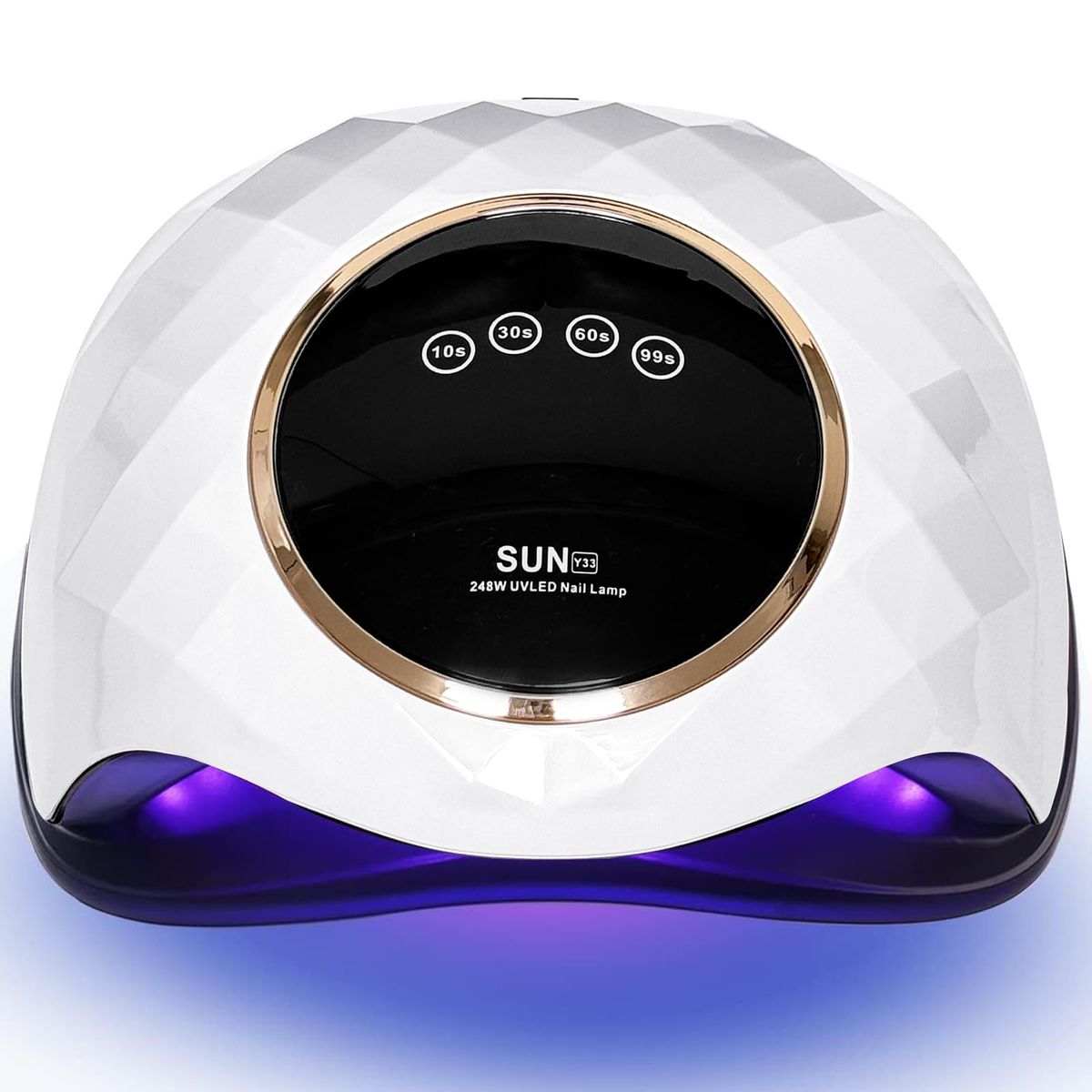
In a professional nail business, speed and comfort are just as important as curing power. That’s why timer settings and low-heat mode are must-have features when choosing the best UV/LED nail lamp for your salon in Kenya. These features don’t just make your work easier—they directly impact client experience, retention, and trust.
A quality nail lamp should offer multiple timer options, commonly 30 seconds, 60 seconds, 90 seconds, and 120 seconds. These preset timers allow you to customize curing times based on the product you’re using—whether it’s gel polish, rubber base, BIAB, polygel, or builder gel. This level of control helps prevent over-curing, which can cause brittleness, and under-curing, which leads to lifting and peeling.
One feature that’s especially important in the Kenyan market—where thicker gel applications are increasingly popular—is low-heat mode. High-power lamps can cause a sharp “heat spike,” especially with builder gels and hard gels. Low-heat mode gradually increases the lamp’s power, reducing that burning sensation and making the service far more comfortable for clients with sensitive nail beds.
Why this matters for your business:
Clients remember how a service made them feel. A lamp with smart timers and low-heat mode delivers pain-free curing, smoother appointments, and fewer complaints. In competitive salons across Nairobi and other major towns, comfort can be the difference between a one-time visit and a loyal client.
👉 Pro tip: If you regularly work with builder gel or overlays, always use low-heat mode for the first cure to protect natural nails and improve client satisfaction.
Auto Sensor, Size & Design: How Smart Nail Lamp Design Boosts Speed, Comfort & Professional Results
For any nail salon owner or nail technician in Kenya, smart design features like auto sensors, thoughtful size and interior layout, and ergonomic lamp design play a major role in delivering faster, more consistent gel cures with maximum client comfort — which is essential for building repeat business and professional reputation.
🤲 Auto Sensor for Hands‑Free Curing
A professional UV/LED lamp with an automatic on/off sensor detects when a client’s hand or foot enters the curing chamber and powers on instantly. This means hands‑free operation, fewer button pushes, and quicker transitions between coats — ideal for busy nail salons in Nairobi, Mombasa, and Kisumu. Quality buyers’ guides highlight the convenience and workflow efficiency gained from motion‑activated lamps.
📏 Spacious Interior & Even Light Distribution
A roomy curing chamber that fits both hands (or a foot) at once helps ensure even UV/LED exposure, reducing under‑cured tips and uneven finishes. Lamps with strategically placed LEDs and reflective interiors enable consistent curing across all nail shapes and sizes. Expert nail lamp guides explain that proper interior design is key to eliminating shadow zones that cause lifting or soft spots.
🦶 Removable Bottom Tray for Pedicures
If your salon offers pedicure services, a detachable bottom plate transforms your lamp into a dual‑use tool — making it easier to place feet comfortably and simplifying cleaning and sanitation between clients. This design feature improves hygiene and versatility, which is increasingly important in competitive Kenyan beauty studios.
💡 Why Good Design Matters for Your Business:
-
Faster appointments with hands‑free auto sensors
-
Fewer curing errors due to even light coverage
-
Higher client comfort and satisfaction, especially during longer curing sessions
-
More efficient workflow, increasing daily client capacity
👉 Pro Tip: When investing in a professional lamp, choose one with a smart auto sensor, a spacious chamber, and a removable tray — features that help you deliver consistent, salon‑quality results and grow your reputation in Kenya’s beauty market.
Safety & Certifications: Ensuring Client Protection and Salon Compliance
In Kenya’s competitive nail industry, choosing a UV/LED nail lamp that prioritizes safety and compliance is crucial—not just for curing gel polish effectively, but for protecting your clients, staff, and your business reputation. A high-quality professional lamp should adhere to recognized international safety standards, ensuring safe UV exposure, reliable electrical performance, and long-term durability.
🔹 Key Certifications and Standards to Check:
-
CE (Conformité Européenne): Confirms the lamp meets European safety and quality requirements.
-
RoHS (Restriction of Hazardous Substances): Ensures the lamp is free from harmful materials, protecting both users and the environment.
-
FCC Certification: Guarantees electrical safety and electromagnetic compliance.
-
UV Safety Compliance: Lamps operating in the 365–405 nm range are effective for gel curing while minimizing risks to skin and eyes.
💡 Why Safety Matters for Your Kenyan Salon:
-
Protects clients from burns, eye damage, and overexposure to UV light.
-
Safeguards your staff, reducing the risk of repeated UV exposure during long workdays.
-
Prevents liability issues by ensuring your salon uses certified equipment.
-
Enhances credibility, signaling professionalism to clients who increasingly value hygiene and safety standards.
✅ Pro Tip: When purchasing a nail lamp for your Kenyan salon, always verify certifications and buy from reputable suppliers. Avoid low-cost imports without safety marks—they may compromise both performance and client safety, potentially damaging your brand’s reputation.
Compatibility with Gel Brands: Ensuring Your Nail Lamp Works with Every Product
For nail salons and technicians in Kenya, one of the most overlooked but crucial factors when choosing a UV/LED nail lamp is compatibility with gel polish, builder gels, BIAB, and polygel brands. A lamp that cures some gels perfectly but leaves others soft or sticky can lead to client complaints, wasted time, and lost revenue.
🔹 Why Compatibility Matters:
-
Different gel brands and formulas require specific wavelengths (usually 365 nm, 405 nm, or a hybrid 365+405 nm) for proper curing.
-
Using a lamp that is not compatible can cause lifting, peeling, uneven curing, or a shortened lifespan of the nail set.
-
Kenyan salons often use a mix of international brands and locally available gels, making a hybrid UV/LED lamp the best choice for versatility.
🔹 Tips for Ensuring Compatibility:
-
Check the manufacturer’s recommended curing method on your gel polish bottles or packaging.
-
Choose hybrid UV/LED lamps to cover both 365 nm and 405 nm wavelengths, ensuring all gel types—whether builder gel, rubber base, or polygel—cure evenly.
-
Test new gel products before offering them in your salon to confirm your lamp delivers perfect curing.
💡 Why This Matters for Kenyan Nail Salons:
-
Prevents lifting, peeling, or under-cured nails, ensuring client satisfaction.
-
Saves time by curing each set correctly the first time, allowing your salon to handle more clients daily.
-
Builds a professional reputation, attracting clients who trust your salon to deliver perfect results regardless of the gel brand.
✅ Pro Tip: For Nairobi, Mombasa, or Kisumu salons offering international and local gel brands, invest in a dual-wavelength hybrid UV/LED nail lamp. It guarantees consistent results across all gel types and reduces the risk of client complaints, making it one of the smartest investments for your Kenyan nail business.
Maximizing ROI: How the Right Nail Lamp Can Grow Your Kenyan Salon Business
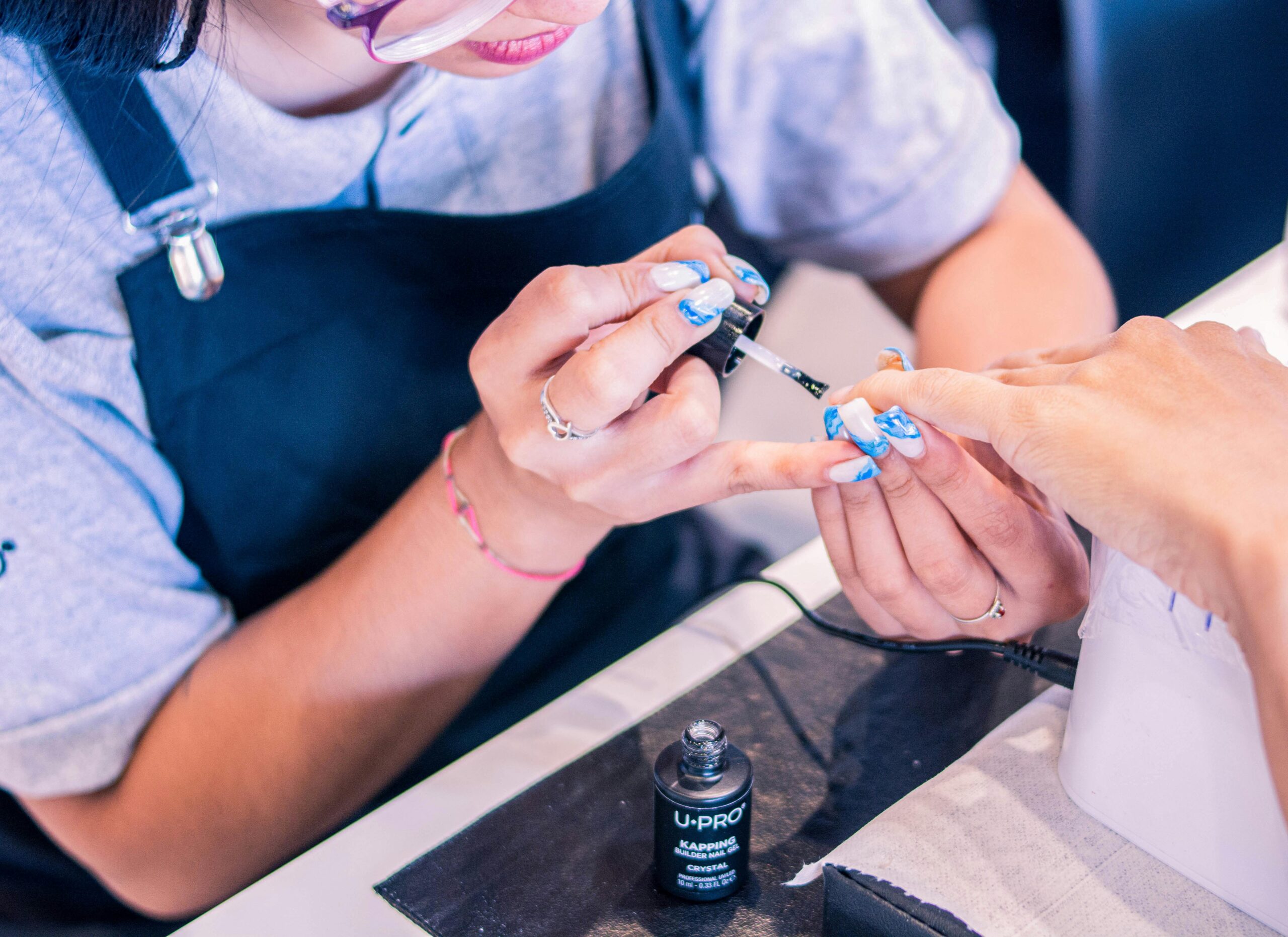
Investing in the right UV/LED nail lamp is not just a technical decision—it’s a strategic business move for nail salons in Kenya. From Nairobi to Mombasa, Kisumu, and beyond, the right lamp improves service quality, efficiency, and profitability, turning a simple tool into a revenue-generating asset.
🔹 How a High-Quality Nail Lamp Boosts Your Salon ROI:
-
Faster Curing = More Clients per Day
High-wattage LED or hybrid lamps cure gel polish in 30–60 seconds per coat, reducing appointment times and increasing the number of clients you can serve daily. -
Reduced Product Waste and Returns
Proper curing prevents lifting, peeling, and sticky nails, which saves on gel polish, builder gels, and client refunds while enhancing client satisfaction. -
Durability = Long-Term Savings
Investing in a lamp with a long LED lifespan (50,000+ hours) and sturdy construction minimizes replacements and maintenance costs, allowing your salon to operate efficiently without interruptions. -
Enhanced Client Experience = Repeat Business
Features like auto sensors, low-heat mode, spacious design, and even curing make appointments comfortable and professional, encouraging clients to return and recommend your salon.
💡 Why Kenyan Salon Owners Should Care:
A professional-grade nail lamp is more than a tool—it’s a profit multiplier. By improving curing speed, reducing errors, and enhancing client satisfaction, the right lamp directly impacts your bottom line, helping your salon stand out in a competitive market.
✅ Pro Tip: When shopping for nail lamps in Kenya, focus on hybrid UV/LED lamps with high wattage, smart features, and certifications. The upfront investment is quickly recovered through faster service, stronger client loyalty, and fewer product losses, making it one of the smartest purchases for any growing nail business.
Lorem ipsum dolor sit amet, consectetur adipiscing elit. Ut elit tellus, luctus nec ullamcorper mattis, pulvinar dapibus leo.