
- Buffer blocks
- Callus removers
- Corn cutters
- Cuticle nippers
- Cuticle pusher (metal, wooden, plastic)
- Cuticle remover (gel/liquid)
- Finger separators (toe separators)
- Nail brushes (dusting brushes, cleaning brushes)
- Nail clippers (fingernail, toenail)
- Nail drill bits (ceramic, diamond, carbide)
- Nail drill machines
- Nail files (emery board, glass, ceramic, metal)
- Nail scissors
- Nail scrapers
- Nail shapers
Wax warmer

Wax Warmers: A Complete Guide for Salon Professionals and Home Users
If you’re in the beauty business or simply love doing your own grooming at home wax warmers are essential tools for achieving smooth, long lasting results. From facial waxing to full body treatments a good wax warmer helps you maintain the right temperature, improve hygiene and deliver consistent results every time.
What Is a Wax Warmer?
A wax warmer is an electric device designed to heat different types of wax (hard wax, soft wax or wax beans) to a safe, workable consistency. Instead of using a microwave or stovetop (which can overheat wax and cause burns) a wax warmer provides controlled, even heating.
Types of Wax Warmers
1. Professional Wax Warmers
Used in salons and spas, these:
- Have temperature control knobs or digital displays
- Heat wax quickly and evenly
- Can handle large quantities of wax
Ideal for: Beauty businesses and frequent use
2. Personal/Home Wax Warmers
Smaller and simpler:
- Compact design
- Easy to operate
- Budget-friendly
Ideal for: Home users and beginners
3. Cartridge (Roll-On) Warmers
Designed for wax cartridges:
- Allows smooth application using a roller head
- Less messy
Ideal for: Legs and arms
4. Multi-Pot Wax Warmers
- Can heat multiple wax types at once
- Saves time in busy salons
Ideal for: Professionals offering different waxing services
How a Wax Warmer Works
- Add wax (beans, hard wax or tin wax) into the pot
- Turn on the warmer and set temperature
- Wait until wax melts into a honey like consistency
- Stir and test temperature before applying
Always test on a small area to avoid burns
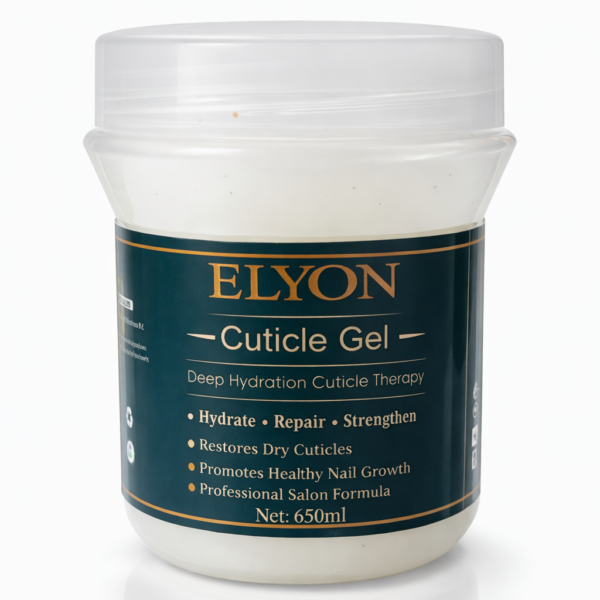
Cuticle gel
KSh 350.00
Buy via WhatsApp
When cuticles become dry or cracked, they can lead to discomfort, poor nail growth, and an unprofessional nail finish. Cuticle gel helps to gently soften the cuticle area, making it easier to push back or trim without causing damage. It also reduces the risk of infections by keeping the nail bed clean and moisturized.
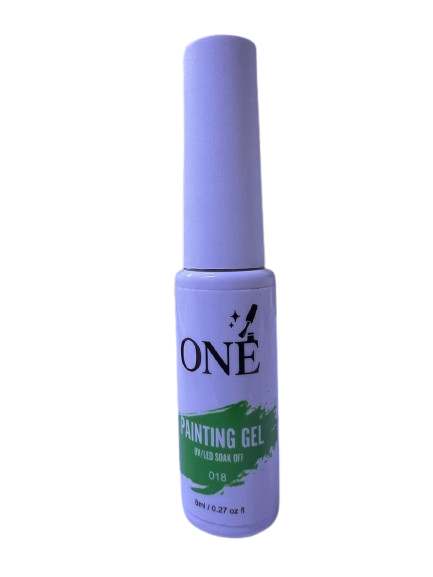
Painting gel
KSh 300.00
Buy via WhatsApp
Looking for high-quality painting gel in Kenya? Our premium painting gel is designed to deliver a smooth, durable and professional finish for different painting and coating applications. Whether you are working on home improvement projects, interior decoration, furniture finishing, art projects, industrial applications, or creative designs, our painting gel offers excellent adhesion, easy application and long-lasting performance. Customers across Nairobi, Mombasa, Kisumu, Nakuru and all parts of Kenya trust our painting gel for quality and reliability.
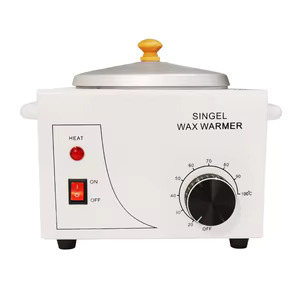
Wax warmer
KSh 3,500.00
Buy via WhatsApp
Wax warmer
Our premium wax warmers are built with advanced heating technology to maintain consistent temperatures, preventing wax from overheating or cooling too quickly. This guarantees efficient application and enhances the overall waxing experience. Ideal for use with hard wax, soft wax, and wax beads, these devices are versatile and suitable for all skin types, including sensitive skin.Benefits of Using a Wax Warmer
Consistent Temperature
Prevents overheating and keeps wax at the perfect texture
Professional Results
Gives smooth, even hair removal like in a salon
Hygienic Use
Many warmers have removable pots for easy cleaning
Time-Saving
Melts wax faster compared to traditional methods
Cost-Effective
Reduces need for frequent salon visits
How to Choose the Best Wax Warmer
When buying a wax warmer, consider:
- Temperature control (adjustable is best)
- Capacity (small for home, large for salon)
- Material (aluminum pots heat faster)
- Safety features (auto shut-off, heat-resistant handle)
- Compatibility (wax beans, tins, or cartridges)
Best Practices for Using a Wax Warmer
- Always clean the skin before waxing
- Avoid overheating the wax
- Use spatulas (never double dip)
- Turn off the warmer after use
- Clean the pot regularly
Common Mistakes to Avoid
- Using wax that is too hot
- Applying wax on irritated skin
- Skipping patch tests
- Not cleaning equipment
- Using low-quality wax with the warmer
Wax Warmer for Business Use
If you run a salon or beauty business, a wax warmer can help you:
- Serve more clients efficiently
- Maintain professional standards
- Increase revenue with waxing services
Pair it with offer promotions on waxing services to attract more customers
Frequently asked question
Can I use any wax in a wax warmer?
Yes, most wax warmers support hard wax, soft wax and wax beans but always check compatibility.
How long does wax take to melt?
Typically 10–30 minutes depending on the warmer and wax type.
Is it safe to leave a wax warmer on all day?
Yes, if it has temperature control, but always monitor it and switch off when not in use.
Can beginners use a wax warmer at home?
Absolutely. Many wax warmers are designed for beginners and are easy to operate.
How do I clean a wax warmer?
- Let wax cool slightly
- Wipe with oil (baby oil works well)
- Use a clean cloth to remove residue
What temperature should wax be?
It should be warm, not hot similar to thick honey. Always test before applying.